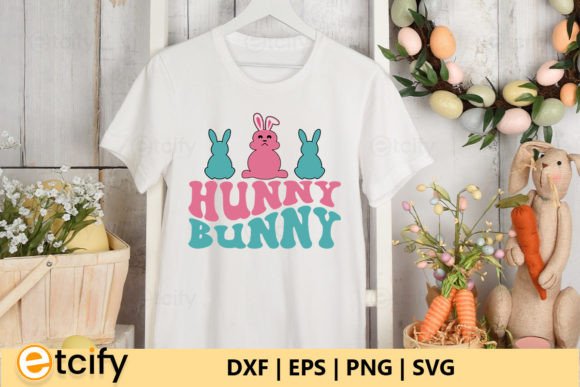
Hunny Bunny Retro SVG Review
As a designer and embroidery product reviewer, I often find myself evaluating digital files for their real-world usability. Hunny Bunny Retro SVG caught my attention with its nostalgic charm and versatility. The design feels like a throwback to the 70s and 80s, with its bold lines and whimsical style. It’s the kind of piece that could easily become a staple in a craft business or a handmade shop.
The First Impression
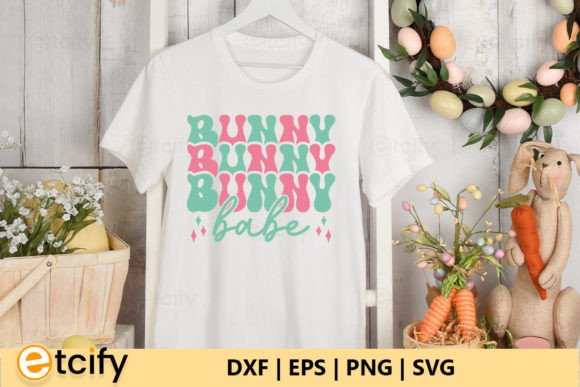
Hunny Bunny Retro SVG immediately evokes a sense of fun and playfulness. The shape is clean and well-proportioned, making it suitable for a variety of applications. The layout is balanced, with enough detail to be visually engaging without being overwhelming. This design seems to belong on custom apparel, especially t-shirts and tote bags, where its retro aesthetic can shine.
The visual personality of the design is warm and inviting. It has a hand-drawn quality that adds character, which is perfect for handmade products. Whether used as an embroidered patch or a printed sticker, it maintains a consistent look that’s both recognizable and appealing.
Real-Life Embroidery Use Cases
Testing Hunny Bunny Retro SVG on a custom embroidered tote bag was a great way to see how it translates to real projects. The design worked well on cotton fabric, with clear stitch definition and no issues with thread color contrast. For a small business owner or Etsy seller, this design could be a valuable addition to a product line focused on casual wear and accessories.
On a sweatshirt, the design maintained its clarity, even when stitched in a medium-sized hoop. It’s important to note that for smaller hoop sizes, the design may require splitting into sections. That said, the overall stitch density is manageable, and the design doesn’t appear too dense for most machine embroidery setups.
For baby items, such as onesies or blankets, the design is simple enough to avoid looking too busy. It’s also a good fit for holiday gifts, especially around Easter or springtime. The retro theme gives it a timeless feel that can be appreciated by all ages.
Where to Be Careful
While Hunny Bunny Retro SVG is versatile, there are some situations where it might not perform as well. On thin or stretchy fabrics, the design could lose some of its definition. Using the right stabilizer is crucial here to prevent puckering or distortion.
For dark fabrics, the design may need a contrasting thread color to stand out. If the design is used on a layered garment, such as a jacket or a hoodie, careful placement is necessary to ensure visibility and durability. Also, on curved surfaces like caps, the design may require some adjustment to maintain proper alignment.
Small details, such as tiny lettering or intricate corners, should be inspected closely before finalizing a project. A quick test on scrap fabric can help identify any potential issues before committing to a finished product.
Impact on Visual Appeal and Customer Trust
Hunny Bunny Retro SVG adds a unique touch to any project. Its retro style makes it stand out in a crowded market, which is essential for handmade products and personalized gifts. Customers often respond positively to designs that have a distinct personality, and this one delivers that.
From a branding perspective, using this design consistently across different products can help reinforce a cohesive look. For a small shop or Etsy seller, having a recognizable design can increase customer loyalty and repeat purchases.
When it comes to commercial embroidery projects, the design’s simplicity allows for easy customization. It can be adapted for different sizes and placements without losing its visual appeal. This makes it a reliable choice for businesses looking to expand their product offerings.
Practical Designer Notes
Before using Hunny Bunny Retro SVG in a project, always test it on scrap fabric. This helps determine how the design will look on your chosen material and whether any adjustments are needed. Checking thread color contrast is also important, especially if the design will be used on dark or light backgrounds.
Reviewing stitch density is another key step. If the design is too dense, it may cause fabric puckering or affect the overall look. Confirming the correct hoop size ensures that the design fits comfortably and stitches evenly. Inspecting small details, such as corners and edges, can prevent issues during the embroidery process.
Creating black and white mockups is a helpful way to see how the design will look in different contexts. Comparing the design on light and dark fabrics can also reveal any hidden issues. Using the right stabilizer is essential for maintaining the integrity of the design, especially on delicate or stretchy materials.
Finally, make sure the design is suitable for both personal and commercial use. Check the licensing terms before selling finished items or digital products. For a craft business or Etsy seller, understanding these terms is critical to avoiding legal complications down the line.